Haringey council permit and parking rules for Harringay removals
If you are planning a move in Harringay, the parking side of the job can matter just as much as the packing. The van may be ready, the boxes may be taped shut, and the keys may be in your hand, but if you cannot stop close enough to the property, the whole day starts to wobble. That is where Haringey council permit and parking rules for Harringay removals come in. They affect where the vehicle can park, how long it can stay, whether a bay suspension is needed, and what happens if the street is already tight on space. In a place like Harringay, that is not a small detail. It is the difference between a tidy move and a stressful one.
This guide walks through the rules in plain English, explains why they matter, and shows how to plan a smoother removal day without guesswork. You will find practical steps, common mistakes, and a few hard-earned tips that usually only come up once someone has already had a frustrating moving morning. Truth be told, parking in London can be a bit of a puzzle. The good news is that once you know the basics, it becomes much more manageable.
For broader moving help, you may also want to look at removals, home moves, or the company's pricing and quotes page if you are comparing options.
Contents
- Why Haringey council permit and parking rules for Harringay removals Matters
- How Haringey council permit and parking rules for Harringay removals Works
- Key Benefits and Practical Advantages
- Who This Is For and When It Makes Sense
- Step-by-Step Guidance
- Expert Tips for Better Results
- Common Mistakes to Avoid
- Tools, Resources and Recommendations
- Law, Compliance, Standards, or Best Practice
- Options, Methods, or Comparison Table
- Case Study or Real-World Example
- Practical Checklist
- Conclusion
- Frequently Asked Questions
Why Haringey council permit and parking rules for Harringay removals Matters
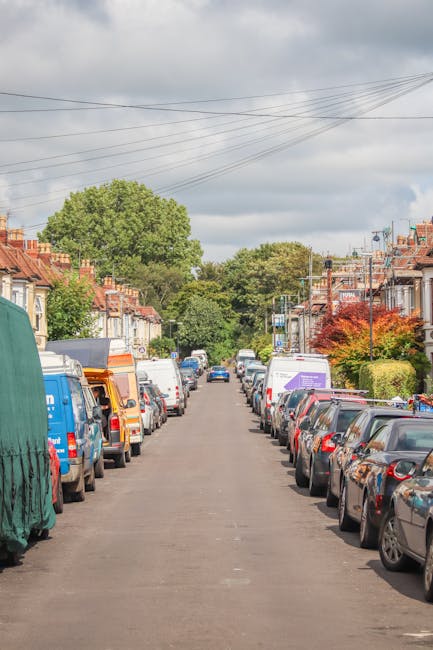
Moving day in Harringay is often a street-by-street affair. Some roads are narrow, some bays are shared, and some properties sit on busier routes where stopping casually is not an option. If you ignore the parking rules, you can end up with several headaches at once: longer carrying distances, blocked access, frustrated neighbours, or even a penalty notice. None of that helps when you are already juggling boxes, keys, and a phone that will not stop ringing.
The parking rules matter because removal work is not the same as a normal quick stop. A removal van may need space for longer loading and unloading, room for tail lifts or ramps, and enough safe clearance for people carrying furniture in and out. In practice, that means checking whether you need a permit, whether a bay suspension applies, and whether the vehicle can legally wait near the address. A sensible plan reduces stress and protects your schedule.
There is also a customer-service angle here that people sometimes overlook. If the vehicle has to park half a street away, the move tends to run slower, which can increase labour time and make the day feel more chaotic. On the other hand, when the parking is sorted properly, everything feels calmer. You hear the trolley wheels on the pavement, boxes move in a steady rhythm, and the whole thing becomes much less dramatic. Which, let's face it, is exactly what you want on moving day.
For readers dealing with clutter before or after a move, the related bulky waste and disposal guide can also be useful when you are deciding what to keep, donate, or remove responsibly.
How Haringey council permit and parking rules for Harringay removals Works
At a practical level, the process usually comes down to three questions: can the van park where it needs to, does it need special permission, and is there enough time to load or unload safely? The answer depends on the exact street, the time of day, the type of bay, and the size of the vehicle. That is why people often say parking rules are local. They really are.
In many London streets, parking is controlled by bays, yellow lines, residents' permits, pay-and-display spaces, or loading restrictions. For removals, a vehicle may be able to use a loading bay or a limited waiting area if the rules allow it, but that is not something to assume. Some roads also need a bay suspension for the precise location where the van will stand. If that is required, the request normally needs to be arranged in advance. Leave it too late and you may find the best spot already taken by someone else's car and a rather unhelpful note on the windscreen.
There is also a difference between stopping briefly and parking for a proper removal. A short handover is one thing; unloading a sofa, mattress, wardrobe, and half a kitchen is another. If the move involves a large vehicle or a long loading window, you should plan as though access is a moving part of the job, not an afterthought.
Many movers also combine a permit plan with a service like man and van or a larger removal van depending on the volume of items and the parking conditions outside the property. In tighter streets, vehicle size and parking space need to be considered together. That part matters more than people expect.
A simple way to think about it
- If the street has unrestricted space, you may just need to position the van carefully and keep the move efficient.
- If the area is controlled parking, you may need a permit or a signed arrangement before moving day.
- If the bay is likely to be occupied, a suspension or alternative loading plan may be the safer option.
- If the property is on a narrow road with limited turning room, vehicle choice becomes part of the parking decision too.
In our experience, the best moves start with the parking question, not the boxes. A little boring? Yes. Effective? Absolutely.
Key Benefits and Practical Advantages
Getting the parking side right brings benefits that go beyond avoiding a ticket. It can improve timing, reduce lifting distances, and make the whole move feel under control. That may sound obvious, but on the day itself, the practical difference can be surprisingly large.
Less delay. If the vehicle can stop legally near the property, the team spends less time ferrying items up and down the pavement. That can shave a lot of strain off the day.
Lower risk of damage. Shorter carrying routes usually mean fewer chances for knocks, scuffs, or dropped items. A narrow hallway is already enough of a challenge without an extra 40 metres to walk.
Better coordination. A proper parking plan gives everyone a clear start point. It is easier for the driver, the movers, and you to stay in sync.
Fewer compliance worries. This is a big one. A permit or authorised parking arrangement helps reduce the risk of a penalty, complaint, or awkward conversation with enforcement officers.
More realistic scheduling. When parking is planned properly, your move time estimate is usually more reliable. That helps if you are handing keys over, meeting cleaners, or trying to fit the move around work and school runs.
There is also a quieter benefit: peace of mind. You know that the street access has been thought through, so you are not standing on the pavement at 8:15am wondering whether the van will have to double-park and hope for the best. That sort of confidence makes a move feel a lot less frantic.
Expert summary: for Harringay removals, parking is not a side issue. It is part of the move itself. The smoother the access, the smoother the entire day tends to be.
Who This Is For and When It Makes Sense
This guidance is useful for anyone moving in or out of Harringay, but it is especially relevant if the street has restricted parking, if you are using a larger vehicle, or if you are moving at a busy time. If your property is in a terraced street with tight curb space, or near a busier road where stopping is already tricky, the parking plan should be considered early.
It also makes sense for:
- homeowners moving house in Harringay
- tenants with a fixed move-out time
- landlords arranging end-of-tenancy removals
- small businesses relocating stock or equipment
- students or sharers moving between flats with limited access
- anyone booking a house removals service and wanting the day to run without avoidable parking issues
Sometimes the need is obvious. For example, if you live on a road where parking is already heavily used in the evening, you will probably need to plan ahead. Other times it sneaks up on you. A top-floor flat, a bulky wardrobe, and a van that cannot get close enough? That is when the hidden cost of poor access shows up. Not in a dramatic way, just in extra time, extra effort, and a lot of sighing.
If you are still deciding what level of service you need, the company's removal services page can help you compare approaches such as full-house support, smaller vehicle options, or targeted help for a lighter move.
Step-by-Step Guidance
The safest way to handle Haringey council permit and parking rules for Harringay removals is to work through the move in order. A rushed parking decision on moving morning is rarely a good decision. Here is a practical sequence that usually works well.
- Check the exact address and street conditions. Look at whether the road has permit bays, loading bays, single yellow lines, double yellow lines, or any time-based restrictions. A quick glance is useful, but a proper check is better.
- Decide what size vehicle the move needs. A compact van may fit easier in a tight street, while a larger removal vehicle may need more space but reduce the number of trips. The best option depends on the load and access.
- Confirm whether a permit or bay suspension is required. If the available parking is controlled, ask what permission is needed and how far in advance it should be arranged. Do not leave this until the evening before. That path leads to stress, and maybe a few unprintable words.
- Build in time for access issues. If the street is busy, plan for a little buffer. It is much easier to arrive 15 minutes early than to be stuck circling a block while everyone watches the clock.
- Keep the neighbours in mind. A polite heads-up can help. It does not solve every issue, but it can reduce the chance of someone objecting to a van outside their window at dawn.
- Choose a loading plan. Decide who will bring items from the property, where boxes will stage, and whether fragile items need special handling. A clear plan saves awkward back-and-forth.
- Prepare the paperwork and contact details. If the parking arrangement or move time needs to be confirmed on the day, keep the relevant details to hand. Nothing glamorous here, just useful.
That sequence may sound simple, but it works because it follows the reality of moving day. Access first. Logistics second. Sorting the sofa after that. Easy to say, admittedly, but it helps.
Expert Tips for Better Results
There are a few small habits that make a big difference with parking in Harringay. They do not require special equipment, just a bit of forward thinking and a realistic view of local street conditions.
Book the parking plan before you finalise everything else
If you know the road is tight, treat parking as a core booking factor. The removal date may be fixed, but the exact vehicle plan and bay access should be confirmed as early as possible. That avoids the classic "we thought it would be fine" moment. It rarely is.
Use the street itself as a planning tool
Look at the road at the time of day your move will happen. Morning, lunchtime, and late afternoon can feel very different. A street that seems quiet on a Tuesday afternoon can be a nightmare at 8am. Local reality beats theory every time.
Keep the carry route short and clear
Even if the van cannot park directly outside the door, you can still make the route efficient. Clear hallways, leave doors open where safe, and move loose items before the van arrives. Shorter paths make for smoother work.
Think about the weather
Rain changes everything, especially when you are carrying cardboard that goes soft too quickly. In wet weather, closer parking becomes even more valuable. If the forecast looks grim, build in extra protection for floors, boxes, and people.
Ask about the whole move, not just the vehicle
Some removal jobs are not just about transport. If you are adding packing help, dismantling, or storage transfer, the parking plan should reflect that extra time on site. A good plan is not just legal; it is practical.
A small aside, because it happens all the time: people often spend more time choosing tape than checking street access. The tape is important. But the street can ruin your day faster.
Common Mistakes to Avoid
Most parking problems are avoidable. They usually come from assumptions, not bad luck. Here are the mistakes that crop up again and again.
- Assuming normal parking rules will be fine for a removal vehicle. A van doing a full house move is not the same as a quick shopping stop.
- Leaving permit checks until the last minute. If permission or suspension is needed, late action can leave you scrambling.
- Choosing a vehicle that is too large for the street. Bigger is not always better. Sometimes it simply means more trouble turning, parking, or manoeuvring.
- Not planning for loading time. If the bay is time-limited, a slow start can put the whole schedule under pressure.
- Forgetting about neighbours, deliveries, or school-run traffic. Streets have their own rhythms. Ignore them and you will notice very quickly.
- Failing to brief the movers clearly. If they do not know where to park, where to wait, or which entrance to use, the day becomes messy for no good reason.
- Leaving bulky items for the end. That is often when time runs short and stress runs high. The big items should be planned, not improvised.
The most frustrating thing? These mistakes often seem minor in advance. Then suddenly the van is blocked, the bay is occupied, and everyone is checking their watch. Small problem. Big effect.
Tools, Resources and Recommendations
You do not need a complex system to handle parking for a Harringay move, but a few simple tools can make the process easier. Think practical, not fancy.
- A street check list: note the parking signs, bay types, and any loading restrictions near the property.
- A moving-day timeline: include arrival time, parking setup, key handover, and any building access slots.
- Measured furniture sizes: if a sofa or wardrobe is large, the right vehicle size becomes easier to judge.
- Photo notes: take photos of the street, entrance, and any tight corners if you are discussing access with the removals team.
- Storage or disposal decisions: sort these early so the van is not packed with things you no longer need.
If you are comparing services, it can help to review a provider's practical policies as well as the headline offer. For example, the company's insurance and safety page and health and safety policy can give reassurance on how the move is managed. You may also want to check terms and conditions and payment and security if you are choosing between providers.
For clients with a few extra items to clear, furniture pick up or man with van options can suit lighter jobs, while a larger move might call for a more comprehensive removal company. The key is matching the service to the access conditions, not just the box count.
Law, Compliance, Standards, or Best Practice
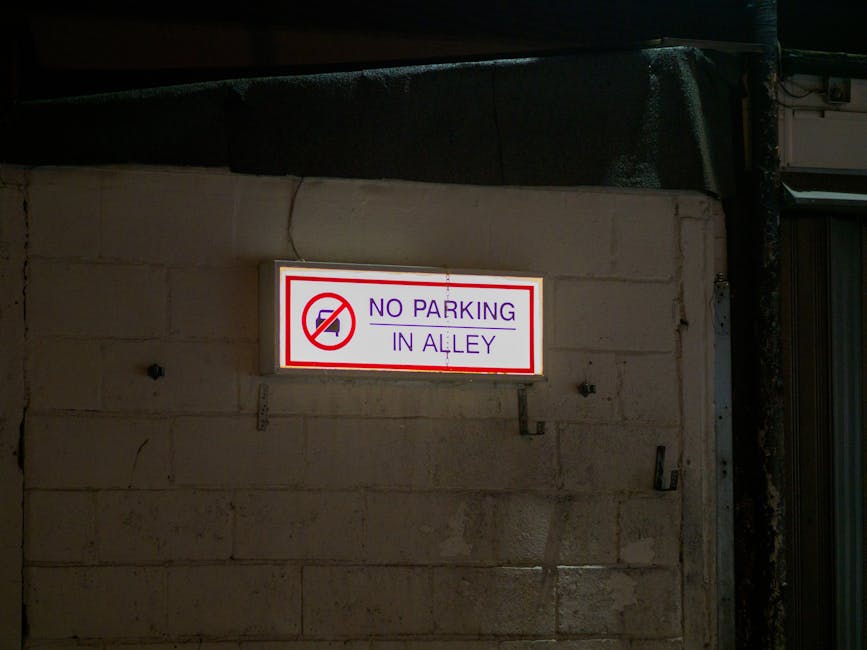
Parking and loading for removals sit within wider local traffic and road-use rules, so the safest approach is to treat them carefully and conservatively. If a street is controlled, assume that stopping there has conditions attached until you have confirmed otherwise. That may seem cautious, but it is the sensible way to avoid penalties and disruption.
Good practice usually means the following:
- checking the local restrictions before the move date
- using only permitted loading areas and time windows
- arranging any suspension or special permission in advance where needed
- ensuring the vehicle does not block access, crossings, or safety routes
- keeping the work orderly so neighbours and pedestrians are not put at risk
It is also wise to think about workplace safety and manual handling. Moving heavy furniture from a poor parking position is not just inefficient; it can increase the risk of slips, strains, and accidental damage. This is one reason professional movers plan access so carefully. A safe move is usually a better move.
For home and commercial customers alike, the best rule is simple: do not rely on luck. If the street is controlled, use the proper procedure. If the route is tight, choose the right vehicle and allow more time. If the load is bulky, plan the carry before the van arrives. Nothing dramatic. Just steady, competent work.
Options, Methods, or Comparison Table
Different moves call for different parking approaches. The right one depends on your street, your property type, and how much you are moving. Here is a straightforward comparison.
| Option | Best for | Pros | Watch-outs |
|---|---|---|---|
| Informal roadside parking | Unrestricted streets with enough space | Simple, quick, no extra admin | Not suitable where restrictions apply; access may still be limited |
| Controlled bay parking | Areas with resident or time-limited bays | Clear structure, predictable access if allowed | May require permission or careful timing |
| Bay suspension or special arrangement | Busy streets or where you need guaranteed space | Improves certainty and loading access | Needs advance planning and may not be available at short notice |
| Smaller vehicle and multiple trips | Tight streets or limited parking | Easier to place, often more flexible | More journeys, more time, can be tiring |
| Larger removal vehicle with managed access | Bigger homes or fuller loads | Fewer trips, more efficient loading | Needs more space and stronger planning |
There is no single perfect answer here. A smaller vehicle is not automatically better, and a larger vehicle is not automatically worse. The decision should be based on the route, the parking, and the amount to move. Sometimes the right answer is the boring one: the option that fits the street best.
Case Study or Real-World Example
Imagine a family moving from a first-floor flat near a busy Harringay road. They have a sofa, several boxes of books, two beds, and a few awkward items that definitely do not enjoy stairs. At first, they think a van can just pull up outside for a quick unload. On the day, though, the nearest space is taken, and the road is busy enough that stopping becomes difficult.
Now compare that with a move planned around access. The family checks the parking restrictions in advance, agrees on the best vehicle size, and makes sure the team knows the loading point. A slight delay still happens, because moving always has a little wobble in it, but the difference is night and day. The removal team spends less time waiting, the carry route is shorter, and the house move feels structured rather than scrambled.
That is the real value of understanding Haringey council permit and parking rules for Harringay removals. It turns access from a problem into a plan. And a plan, even a modest one, tends to save money, time, and a fair amount of stress.
In the same vein, if you are sorting the move with a tight deadline, the article on same-day removals in Harringay can help you think through the trade-offs before you commit.
Practical Checklist
Use this checklist before moving day. It is simple, but it catches the details that often get missed.
- Confirm the exact move address and the street name.
- Check whether the road has resident bays, loading bays, or yellow line restrictions.
- Decide on the vehicle size based on both load and access.
- Find out whether a permit, suspension, or other parking arrangement is needed.
- Allow extra time if the street is busy or narrow.
- Tell the removals team about any tight corners, steps, or access codes.
- Keep fragile or valuable items separate and clearly marked.
- Clear the hallway and entrance so loading can start quickly.
- Prepare for weather if rain or heat could affect the move.
- Have contact details to hand in case plans need a quick adjustment.
Quick reminder: if the parking plan is settled, the rest of the move tends to feel much easier. It really does.
Conclusion
Haringey council permit and parking rules for Harringay removals are not just a box to tick. They shape the whole moving day experience, from how close the van can get to the door to how quickly the job can be completed. If you plan the parking properly, you reduce delays, protect your belongings, and make life easier for everyone involved.
The best approach is usually a straightforward one: check the restrictions early, choose the right vehicle, plan the loading route, and leave a little room for the unexpected. That combination is often enough to turn a potentially awkward day into a calm and orderly move. And if it still feels like a lot, that is normal. Moving is one of those tasks that looks simple until you are standing on the pavement with a sofa and a timetable.
Get a free quote today and see how much you can save.
For a bit more background on the company, you can also browse the about us page or read through the blog for more practical Harringay moving advice. Sometimes the smallest bit of planning makes the whole day feel lighter. Nice when that happens.
Frequently Asked Questions
Do I need a permit for removals in Harringay?
It depends on the street and the type of parking restriction in place. Some roads allow loading or short stops, while others need a permit or special arrangement. The safest approach is to check the exact location before moving day rather than assuming it will be fine.
Can a removal van park on a resident permit bay?
Not always. Some bays have rules that still apply to loading vehicles, while others do not. A removal van should only use the space if the local restrictions allow it or if a proper arrangement has been made. When in doubt, verify it first.
How far in advance should I sort parking for a move?
As early as possible. If a suspension, permit, or controlled loading arrangement is needed, late notice can create problems. A few days' planning is usually better than a last-minute scramble, and in busy areas it can make a real difference.
What happens if the van cannot park near my property?
The move may take longer, the carrying distance increases, and the risk of delay goes up. It does not always stop the move, but it can make it more tiring and less efficient. That is why access planning is worth doing properly.
Are there different rules for small vans and larger removals vehicles?
Yes, in practical terms there often are. A smaller van may be easier to place in tight streets, while a larger vehicle may need more space and a better parking plan. The best choice depends on both the load and the road conditions.
Can I just use my neighbours' space for a short time?
Not without permission. Even if it seems like a quick fix, parking in someone else's reserved or permit-only space can cause conflict and may lead to enforcement action. It is better to plan a lawful loading position in advance.
Should I book a bigger van to reduce trips?
Sometimes yes, but not always. A bigger van can reduce the number of journeys, yet it may be harder to park on a narrow Harringay street. The right answer depends on access, furniture size, and how much you are moving.
What if my move-out time is very tight?
Then parking becomes even more important. Tight handover windows leave less room for delays, so a good access plan can protect your schedule. If you are on a deadline, build in a buffer where you can.
Is it worth arranging parking if I only have a few items?
Yes, if access is difficult. Even a small move can become awkward if the van cannot stop close to the property. For lighter moves, a flexible service such as a man and van removals option may be suitable, but the street rules still matter.
How do I know if my street has special restrictions?
Look for signs on the road, bay markings, and any time-based notes near the kerb. If anything is unclear, do not guess. A quick check before booking the move is far better than discovering the restriction on the day.
Can parking issues affect the cost of my removal?
Yes, they can. If access is poor, the move may take longer or need a different vehicle or setup. That does not mean it will always be expensive, but parking can influence the time and effort needed. Honest planning tends to keep surprises down.
What is the best way to make moving day smoother in Harringay?
Combine a solid parking plan with clear packing and a realistic schedule. Think about the van, the street, the weather, and the walk from the door to the vehicle. When those parts line up, the whole move feels a lot more manageable.