
Harringay council bulky waste rules and removals disposal guide
Posted on 01/08/2026

If you are clearing out a flat, downsizing a house, or trying to shift one very awkward sofa that has somehow become part of the furniture forever, bulky waste can turn into a bigger job than expected. The rules matter because the wrong approach can leave you with extra costs, missed collections, access problems, or a pile of items that simply sits there. This Harringay council bulky waste rules and removals disposal guide walks you through the practical side of disposing of large unwanted items in a sensible, tidy, and compliant way. You will find straightforward advice on what counts as bulky waste, how disposal usually works, which mistakes catch people out, and when a removals service makes more sense than trying to do it all yourself.
It is written for real life, not theory. Because let's face it, when you are standing in a hallway with a wardrobe that will not move and a recycling bin that is already full, you want clear next steps, not waffle.
Why Harringay council bulky waste rules and removals disposal guide Matters
Bulky waste sounds simple until you start separating it from general rubbish, recyclable materials, and items that need special handling. In a busy area like Harringay, space is tight, stairways can be narrow, and front gardens or shared entrances are often not ideal storage zones for large items. A clear approach saves time, reduces stress, and helps you avoid the all-too-common scramble where everything gets left to the last minute.
There is also a bigger issue: not every large item should be thrown out in the same way. A mattress, a damaged wardrobe, a broken dining table, and old electrical items may each need different handling. That is where a useful disposal plan becomes genuinely helpful. It keeps you from mixing up what can be reused, what can be recycled, and what needs a proper collection or private removal.
If you are moving home, the timing matters too. Bulky waste can disrupt packing and loading if it is not dealt with early. For people arranging a move, related planning around house removals in Harringay or flat removals in Harringay often works best when disposal decisions are made before moving day, not on the morning itself. That sounds obvious. In practice, many people still leave it until the sofa is in the way of the front door.
There is a trust angle as well. Responsible disposal is part of good neighbourly behaviour. Nobody wants bulky waste left near shared pavements, bins, or entrances. And if you are in a managed building, you may need to be extra careful about timing, access, and building rules. A small bit of planning goes a long way.
How Harringay council bulky waste rules and removals disposal guide Works
Although the exact arrangements can change, bulky waste disposal in London generally follows a few common patterns. The first step is identifying the item type and deciding whether it is reusable, recyclable, repairable, or true waste. After that, you choose the method that fits the item, the amount, and the urgency.
In plain English, bulky waste usually means large household items that are too big for ordinary rubbish bins. Think furniture, mattresses, large appliances, and similar household goods. Some items can go via council collection routes if eligible, while others are better suited to a licensed private removal service or a reuse pathway. Electrical items and anything containing hazardous components need extra care. No surprises there, but people do get caught out.
Here is the general flow most residents follow:
- Sort items into reuse, recycle, and dispose piles.
- Check whether anything can be donated or repaired.
- Decide if council bulky waste collection is suitable for the item.
- Book the collection or arrange a private removal.
- Prepare items properly for removal, collection, or collection day.
- Make sure nothing unsafe or prohibited is left outside early.
For some households, especially those clearing several rooms at once, a removals team may combine bulky waste disposal with transport and loading. That can be far easier than juggling everything alone. If you are already comparing moving support, removal services in Harringay and man and van help can be useful when you need flexible collection and disposal on the same day.
One thing to keep in mind: council collection services, private removals, and reuse routes all solve different problems. The best option depends on what you have, how fast you need it gone, and whether access is awkward. In a top-floor conversion with a narrow stairwell, the answer is rarely "just carry it down later".
Key Benefits and Practical Advantages
Following a clear bulky waste disposal plan does more than make life easier. It improves safety, reduces clutter, and helps you avoid wasteful or unnecessary disposal. That may sound a bit dry, but the practical difference is real.
- Fewer last-minute problems: you are less likely to discover on moving day that the old wardrobe is still blocking the landing.
- Safer lifting and carrying: bulky items can be awkward and genuinely dangerous if handled badly.
- Better recycling outcomes: usable materials and working items are more likely to be diverted from waste.
- Cleaner property handover: especially important if you are renting and need to leave the place in decent condition.
- Less neighbour disruption: no one wants a communal hallway filled with broken furniture for three days.
A further benefit is cost control. Many people assume the cheapest option is always to dump everything together, but that is not usually true. If one item can be reused or given away, and another needs proper disposal, splitting them strategically can save effort and sometimes money. The trick is to plan, not panic.
There is also a quality-of-life advantage. Clearing bulky clutter opens up space immediately. You feel it in the room. The echo changes. Light gets in. Even a small flat can suddenly breathe a bit more.
If you are clearing furniture specifically, it may help to look at furniture removals in Harringay or, for larger or heavier pieces, local removals support that can handle loading and transport properly.
Who This Is For and When It Makes Sense
This guide is for anyone in Harringay who needs to get rid of large unwanted items without making a mess of the process. That includes tenants, homeowners, landlords, estate agents, flat-sharers, students, and small businesses with bulky items to remove. Yes, even the office with three old filing cabinets that nobody has opened since 2019.
It especially makes sense if you are in one of these situations:
- Moving out and trying to avoid leaving waste behind.
- Clearing a deceased estate or downsizing a home.
- Replacing sofas, wardrobes, beds, or mattresses.
- Dealing with end-of-tenancy rubbish in a tight turnaround.
- Removing items from a basement, loft, or top-floor flat.
- Handling bulky office furniture or stock storage clear-outs.
Students and sharers often need fast, practical help because move-out deadlines arrive quickly and rubbish accumulates in strange corners. If that sounds familiar, student removals in Harringay can be a sensible option for mixed loads, especially where access is awkward and time is short.
Landlords and letting agents also need a tidy process. When a property is being prepared for re-let, bulky waste can delay cleaning, repairs, and viewings. That is why some people combine waste clearance with packing and boxes support and a structured removal schedule. Small decisions, made early, avoid bigger headaches later.
Step-by-Step Guidance
1. Identify what you are disposing of
Make a simple list of each bulky item. Be specific: sofa, armchair, mattress, wardrobe, chest of drawers, desk, fridge, printer, and so on. If something has electrical parts or a refrigerant component, treat it as a separate category. This is the stage where a quick photo can save a lot of confusion.
2. Check whether anything can be reused
Before you book disposal, ask a straightforward question: is this item actually waste, or is it still useful? A solid table or a serviceable chair may be better passed on than thrown away. Reuse is not just kinder to the environment; it can also reduce the amount you need to move. Simple, but easy to overlook when you are in a rush.
3. Separate recyclable and non-recyclable items
Some bulky items include recyclable materials, but not everything can be mixed together. Remove loose contents, cushions, shelves, batteries, and anything detachable where appropriate. If you are unsure, avoid guessing. Put safety first and check the item type carefully.
4. Decide between council collection and private removal
This is the big choice. Council collection works best for straightforward household bulky waste when you are not in a rush. Private removal is often better if you have several items, awkward access, tight timing, or a mixed load that includes furniture and general rubbish.
For instance, if you have a sofa on the second floor, a broken bed frame, and several bags of packaging, a single coordinated collection through a local service may be far less stressful than trying to split the job across different days. If access is limited, man with a van support in Harringay can be a handy middle ground between DIY and a full-scale removal crew.
5. Prepare the items properly
Clear routes, protect surfaces if needed, and make sure items are ready to move. If it is a mattress, remove bedding and loose covers. If it is a wardrobe, empty it fully and take out shelves or drawers if that helps with carrying. The fewer surprises on the day, the better.
6. Keep access and timing in mind
Harringay streets and buildings can be a bit tight for parking and loading. If you are moving bulky items from a shared building, think about where the vehicle will stop, how long loading may take, and whether neighbours need warning. A quick check can save a frustrating delay.
7. Confirm disposal and keep a record
Once items are collected or taken away, keep any receipt or booking confirmation. That is useful for tenancy records, landlord checks, or simple peace of mind. Not glamorous, but useful.
Practical summary: sort first, reuse where you can, separate special waste, and choose the disposal route that matches your access, timing, and load size. Most mistakes happen when people skip the sorting stage.
Expert Tips for Better Results
To be fair, the best bulky waste jobs usually look boring from the outside. They work because someone made a few sensible choices early on.
- Measure before you move: doorways, stair turns, lifts, and hallway widths matter more than people think.
- Break items down where possible: removing legs, shelves, or detachable parts can reduce volume and improve safety.
- Group items by destination: keep reuse, recycling, and disposal items physically separated so nothing gets mixed up.
- Book early for busy periods: end-of-month moves and weekend clearances can fill up quickly.
- Think about parking before loading day: in London, where the van ends up can matter almost as much as what it is collecting.
Another useful tip is to plan around the rest of your move. If bulky waste is part of a wider household clearance, align it with your main removal day. That way your space is cleared once, not repeatedly. If you are dealing with narrow stair access, the advice in this guide to ladder access and tight stairways can help you think through the practical side before anyone lifts a thing.
And here is a small one that people forget: keep a rubbish bag, tape, and marker pen nearby. A 30-second label can save ten minutes of "is this going, staying, or maybe going to my cousin?"

Common Mistakes to Avoid
Most bulky waste problems are not dramatic. They are just annoying, costly, and avoidable. That is the truth of it.
- Leaving everything to the last day: this is the number one cause of missed collections and rushed decisions.
- Mixing up reusable items with waste: good items end up lost in the shuffle.
- Putting items out too early: this can create clutter, complaints, or collection issues.
- Ignoring access issues: a job that looks easy from the pavement may be awkward on the third floor.
- Assuming all large items are handled the same way: some need separate treatment.
- Forgetting to empty furniture: drawers, cushions, and hidden bits add weight fast. Very fast.
Another common mistake is not checking what is actually included in a removal quote or collection arrangement. If you are comparing providers, it helps to read carefully and ask clear questions about loading, waiting time, and disposal handling. For more background on getting transparent pricing, this article on avoiding hidden charges is worth a look.
And if your bulky waste forms part of a bigger move, do not forget the planning around vehicles and access. Parking rules for removals in Haringey can affect how smoothly collection or loading goes, especially where space is limited.
Tools, Resources and Recommendations
You do not need fancy equipment to manage bulky waste well, but a few practical tools make the process much easier.
| Tool or resource | Why it helps | Best use case |
|---|---|---|
| Tape measure | Checks whether items fit through doors, lifts, and stairs | Before dismantling furniture or booking a collection |
| Marker pen and labels | Keeps reuse, recycling, and disposal items separate | Busy households and mixed loads |
| Basic screwdriver or Allen key set | Helps dismantle beds, tables, and wardrobes | Furniture with removable parts |
| Heavy-duty gloves | Reduces cuts, splinters, and grip issues | When handling rough wood, metal, or broken pieces |
| Removal sacks or sturdy bags | Useful for smaller loose waste gathered during a clearance | End-of-tenancy or room-by-room clear-outs |
If you are comparing professional help, look for clear communication, sensible handling procedures, and a proper approach to waste separation. A company's wider service range can also help if your disposal job is part of a bigger move. For example, the services overview is a practical place to understand what support is available across different move types.
For larger household jobs, you may also want temporary storage if you are clearing space in stages. That can be handy when you are waiting for a new tenancy to begin or renovating one room at a time. Storage in Harringay can be useful when timing does not line up neatly. Life rarely does, after all.
Law, Compliance, Standards, or Best Practice
When people talk about bulky waste compliance, they usually mean handling waste responsibly, avoiding fly-tipping, and using lawful collection or disposal routes. The exact council procedure may vary, so the safest approach is always to follow the current local guidance and choose a service that is clear about what it can and cannot take.
Best practice in the UK generally includes:
- Using legitimate collection or disposal routes.
- Keeping waste out of public spaces unless it is ready for an approved collection.
- Separating items that need special handling, such as electrical goods or hazardous components.
- Checking that any removal provider manages waste properly and does not cut corners.
- Keeping records of bookings or collections where they may be useful.
If you are using a private service, the standard you want is simple: careful loading, proper transport, and disposal that does not create problems for the next person down the chain. That also ties into broader operational trust, which is why pages such as insurance and safety and health and safety policy matter when you are comparing providers.
In practice, compliance is not about paperwork for its own sake. It is about protecting you, your neighbours, the building, and the person collecting the waste. A small decision made properly now saves a big clean-up later. No drama, just sensible handling.
Options, Methods, or Comparison Table
There is no single best method for everyone. The right choice depends on time, quantity, access, and whether the items can be reused. Here is a quick comparison to make the trade-offs clearer.
| Option | Best for | Pros | Trade-offs |
|---|---|---|---|
| Council bulky waste collection | Single or limited items that fit standard collection criteria | Simple for straightforward household items | May require waiting, item limits, or strict preparation |
| Private removals or clearance service | Mixed loads, awkward access, short deadlines | Flexible, faster, hands-off | Usually costs more than a basic collection |
| Reuse or donation route | Good-quality usable furniture | Waste reduction, potential social benefit | Items must be suitable and collected promptly |
| DIY transport to a facility | Small DIY-capable loads | Full control over timing | Needs vehicle, labour, and proper handling |
In a practical sense, many Harringay households use a hybrid approach. A useful sofa goes to reuse, broken drawers go for disposal, and a few boxes of mixed clutter get handled as part of a move. That blended method is often the cleanest and least wasteful.
If you are trying to compare transport options, man and van and removal van support can bridge the gap between a full clearance and doing it yourself. The best choice is the one that fits the job, not the one with the fanciest name.
Case Study or Real-World Example
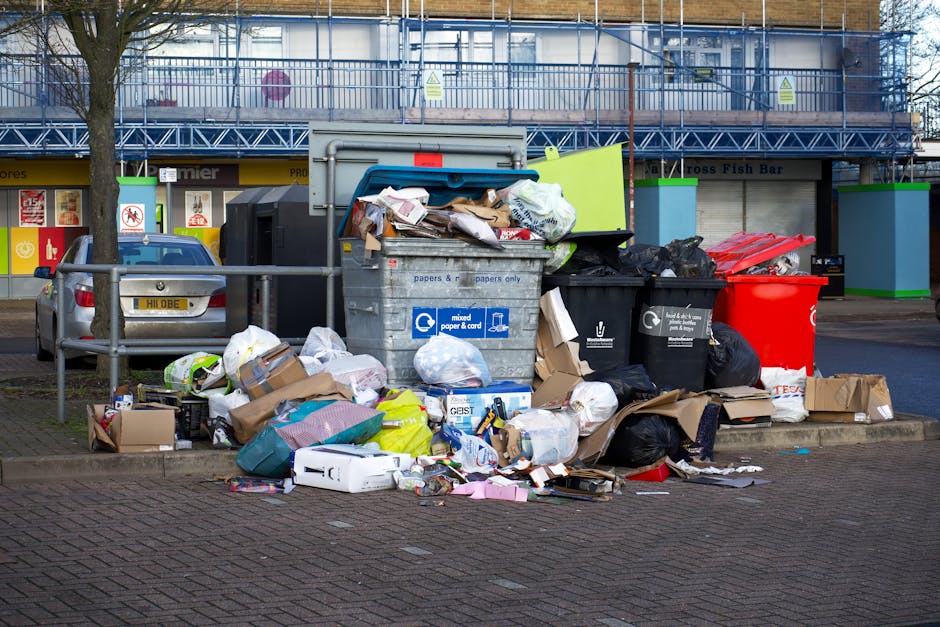
A typical Harringay scenario goes like this. A couple in a first-floor flat are moving out at the end of their tenancy. They have a bed frame, an old mattress, a dining table with two broken chairs, and a small pile of miscellaneous room clutter. At first, they think they can just sort it "on the day". Then the lift is too small, the hallway gets crowded, and the mattress starts blocking the route to the front door. Not ideal.
What worked better was a simple staged plan. They separated the items into three groups: keep, reuse, and dispose. The bed frame was dismantled, the usable table was offered on for reuse, and the broken chairs were set aside for disposal. A removal slot was booked with enough time to load the larger items safely. The result was calmer, tidier, and far less stressful than trying to improvise at 8 a.m. with moving boxes everywhere.
The small detail that made the difference? They measured the route first. Once. Properly. That saved them from the awkward "will this turn the corner?" moment that everyone seems to discover at the worst possible time.
That sort of planning also fits well with people moving locally in North London. If your clearance is part of a broader move, useful reading includes what to know before moving to or from Harringay N4 and the local removals guide for Green Lanes and ladder moves. Those kinds of practical details matter more than people expect.
Practical Checklist
Use this checklist before collection day or before you book a clearance:
- List every bulky item clearly.
- Separate reusable items from waste.
- Check whether anything needs special handling.
- Measure doors, stairs, lifts, and access routes.
- Empty all drawers, cupboards, and compartments.
- Break down furniture where practical and safe.
- Decide whether council collection or private removal suits the job.
- Confirm parking or access arrangements if a vehicle is coming.
- Keep booking confirmations and records.
- Set aside any items you still need before collection starts.
One-line reminder: sort now, sigh later.
If your situation is urgent, a same-day option may be worth exploring, especially where clutter is blocking a move or a property handover. For quick turnarounds, same-day removals in Harringay can be a practical fallback when timing has gone a bit sideways.
Conclusion
Bulky waste disposal does not need to be a headache, but it does need a bit of structure. The main things to remember are simple: identify what you have, separate what can be reused, treat special items carefully, and choose the disposal route that matches your access and timing. If you are moving home, the earlier you handle bulky items, the smoother the rest of the process will feel.
For many Harringay residents, the smartest approach is a combination of planning, recycling where possible, and using professional help when the item load or access conditions make DIY a false economy. A tidy clearance can make a property easier to live in, easier to move from, and easier to hand over. And honestly, that sense of relief when the last oversized thing is finally gone? Very underrated.
Get a free quote today and see how much you can save.
Sometimes the best move is the simple one: clear the clutter, choose the right route, and let the space feel like yours again.

