Haringey council parking rules for Harringay removals
Posted on 22/06/2026
Haringey council parking rules for Harringay removals: what you need to know before moving day
Moving in Harringay can feel simple on paper and a bit frantic in real life. The boxes are labelled, the van is booked, and then the street outside turns out to be tighter than expected, the bays are full, or the loading space you hoped for is already taken. That is where understanding Haringey council parking rules for Harringay removals really matters. A small parking mistake can slow the move, create stress for everyone involved, and in the worst case lead to a penalty or a van having to circle the block while your sofa sits on the pavement. Not ideal, honestly.
This guide breaks down the practical side of parking, loading, waiting, and planning for removals in Harringay. It is written for people moving house, flat, or office space in the area, and for anyone trying to keep the day calm, legal, and efficient. You will also find local moving context, a checklist, a comparison table, and a few hard-earned tips that make a real difference on the day.
Why Haringey council parking rules for Harringay removals matters
Parking is not just a background detail on moving day. In a busy part of North London like Harringay, it is one of the main things that determines whether your move feels orderly or messy. Streets can be narrow, bays can be in constant use, and access can change quickly depending on the time of day. A removals team may be ready to work, but if the van cannot stop close enough to the property, the whole job becomes slower and more physically demanding.
That matters for a few obvious reasons. First, there is the risk of parking enforcement if the van is left where it should not be. Second, there is the practical issue of distance. Every extra metre between the van and the front door means more carrying, more fatigue, and more chances of bumping furniture. Third, there is time. And on moving day, time is usually the thing everyone wants more of. Let's face it, nobody wants to be standing in Green Lanes wondering why the mattress is still on the truck while the keys for the new place are already in someone's pocket.
For people arranging house removals in Harringay or a smaller flat move, parking planning is part of the move itself, not an afterthought. The same is true for local businesses moving offices, tenants changing flats, or anyone using a man and van in Harringay service for a quick turnaround.
Expert summary: if you want a smoother moving day in Harringay, treat parking and loading arrangements as seriously as packing. A little preparation here prevents a lot of noise, frustration, and avoidable delays later.
How Haringey council parking rules for Harringay removals works
In practical terms, parking rules for removals are about three things: where the vehicle may stop, for how long it may stay, and whether any restrictions apply at that specific time. The exact arrangements depend on the street, the bay type, local signage, and whether the road is subject to resident permits, pay-and-display controls, yellow lines, loading restrictions, or other limits. You cannot safely assume that because one street allows loading, the next one will too. That is the trap people fall into.
For removals, the most important distinction is usually between parking and loading. Loading generally means actively moving goods between the property and the vehicle, with no unnecessary delay. Parking, by contrast, suggests the vehicle is simply left there. That difference sounds tiny, but enforcement tends to care about it. If the move is active and the van is being used in a loading context, that may be treated differently from a casual stop. But the details vary, so you still need to plan carefully and avoid guessing.
Most Harringay moves benefit from a clear plan for:
- the exact stopping point for the removals van
- whether there is a nearby loading bay or permitted waiting space
- the time window when restrictions are lighter
- how long the crew will need for the heaviest items
- whether any special permission or suspension is needed for a bay
If your move is happening in a dense residential street, or near busier roads where stopping is awkward, a more flexible service can help. A lot of people choose a removal van in Harringay or an experienced removal service because the crew already understands local access quirks and can build the parking plan into the schedule.
One small but useful point: if the move involves multiple trips, the plan should cover the full day, not only the first unloading run. That sounds obvious, but in practice people often plan only for arrival and forget the second round. Then the bay is gone, the neighbours are parked in, and the last table ends up waiting in the hallway. Not the end of the world, but annoying.
Key benefits and practical advantages
Good parking planning does more than keep you on the right side of the rules. It makes the move easier to live through. That may sound dramatic, but anyone who has moved in London knows the difference between a move that is organised and one that is basically a slow-motion scramble.
Here are the main benefits:
- Less walking distance between the van and the property, which saves time and energy.
- Lower risk of damage because furniture spends less time being carried around corners and kerbs.
- Better crew efficiency, especially when large items like wardrobes, beds, or appliances are involved.
- Reduced stress for everyone, including neighbours and building staff.
- Fewer delays caused by hunting for space or moving the van mid-job.
- More predictable costs because the crew spends less time waiting or working inefficiently.
There is also a trust factor. When a removal company turns up with a parking plan, it signals competence. That matters whether you are arranging flat removals in Haringey, a family house move, or a commercial relocation through one of the busier bits of the area. People notice preparation. They really do.
And for anyone using same day removals in Haringey, the value of parking planning doubles. Same-day moves already run on a tight clock. Add a parking issue and the whole thing can start to wobble.
Who this is for and when it makes sense
This topic is for anyone moving in or out of Harringay who needs a removals vehicle to stop on or near the street. That includes owners, tenants, landlords, estate agents, student movers, and office managers. In other words, nearly everybody who has to shift a life from one address to another in the area.
It makes particular sense if:
- your street has limited parking or resident-only bays
- the property is on or near a busy road such as Green Lanes
- you live in a flat with a narrow stairwell or awkward access
- you are moving furniture, appliances, or fragile items
- your building has timed access rules, concierge restrictions, or shared entrances
- you are coordinating a move around work, school runs, or key collection
Students and renters often underestimate this. A couple moving from a top-floor flat, for example, may assume the van can "just stop outside for a bit". Sometimes that works. Sometimes it does not. A little checking beforehand can prevent a lot of heavy lifting in the rain, and nobody needs that little drama on a Tuesday morning.
It is also useful if you are comparing service types. A dedicated house removals service may be better for larger moves with more planning, while man with a van in Harringay can suit lighter loads and short-distance moves where parking is manageable. Neither is automatically better; the right choice depends on the access situation and how much you need moved.
Step-by-step guidance
If you want to avoid last-minute chaos, work through the move in this order. This is the part that saves the day.
- Check the street restrictions early. Look at the parking signs outside both the old and new property. If the signs are confusing, take photos. You will thank yourself later.
- Estimate the vehicle size. A small van may fit where a larger one cannot. For a bigger household move, you may need to think about the stopping distance as much as the load space.
- Decide whether loading access is enough. Some streets allow brief loading only. Others may be more restrictive. Build the plan around the real access, not wishful thinking.
- Inform the removals team of the parking situation. If they know in advance, they can arrive with the right vehicle, crew size, and timing.
- Prepare the property for quicker loading. Hallways clear, boxes labelled, and furniture ready to go make the window shorter. That helps with any strict parking period.
- Arrange building access and keys. If a concierge or neighbour has to let the team in, make sure they are ready before the van arrives.
- Leave yourself a buffer. Street conditions change. A delivery lorry appears. A neighbour parks badly. It happens. A buffer keeps the day from falling apart.
- Keep your phone handy. If the crew needs a quick decision about where to stop, you want to be reachable, not somewhere in the kitchen under a pile of tea towels.
For people combining parking prep with packing help, it can be sensible to coordinate with packing and boxes support in Haringey. The cleaner the packing process, the faster the loading process, and the less time the vehicle needs to hold position.
A small local example: on a narrow side street off a busier road, one family moved every box into the hallway the night before. On the day, the van was parked, loaded, and away quickly enough that they stayed comfortably within the available stopping window. Simple idea. Big difference.
Expert tips for better results
After enough moves, certain patterns become obvious. The street rarely lies, basically. If parking looks tight at 9am, it will probably still be tight at 9:15.
Here are the tips that matter most:
- Choose the right time of day. Early morning is often calmer than the middle of the day, though that can vary by street.
- Prioritise the heaviest items first. Sofas, wardrobes, and appliances should go out while the crew is fresh and the parking plan is intact.
- Use a single clear loading point. If the crew keeps shifting between doors, the job slows down and the vehicle may be left awkwardly positioned.
- Keep a backup plan for parking. A second legal stopping point, even if it is slightly less convenient, can save a move when the first option is taken.
- Ask about building access rules. Some blocks are easy until the lift is out of service or the communal door stays locked. Then, well, things get interesting.
- Label fragile items clearly. The quicker the crew understands what needs careful handling, the less time is wasted re-checking boxes near the van.
If you are moving a speciality item, the parking plan becomes even more important. A service like piano removals in Harringay needs extra care, more manoeuvring room, and a calm route from doorway to vehicle. The same goes for bulky furniture from long-standing properties where staircases are narrow and the front step is a bit unforgiving.
It can also help to choose a company that already understands local streets. A team that regularly works in the area is more likely to know when a loading spot disappears fast, where turning space is limited, and which roads are awkward for larger vans. That kind of local knowledge is hard to fake.

Common mistakes to avoid
Most parking problems on moving day are preventable. The tricky part is that they often start with small assumptions. One person says, "It should be fine," and suddenly the plan has become a hope, which is not quite the same thing.
Watch out for these mistakes:
- Assuming the space outside the property is available. It often is not.
- Ignoring signs because the move is short. Short stays can still trigger issues if the location is restricted.
- Not factoring in the return trip. A van may need to leave and come back, especially during larger moves.
- Underestimating loading time. What looks like a 20-minute job can become 50 minutes when stairs, lifts, or awkward furniture are involved.
- Failing to brief the removals team. A team cannot plan around a parking restriction they do not know about.
- Leaving boxes loose until the morning. Packing late slows everything down. It really does.
Another common one is booking the wrong type of help. Someone moving a one-bedroom flat with a few large items may only need a compact van and a capable crew. Someone moving a full family home, a shared house, or an office full of equipment may need a fuller service. If you are unsure, compare the options carefully through the main services overview before you decide.
And a slightly cheeky truth: people sometimes spend more time choosing the tape for the boxes than thinking about the parking outside. The tape is useful, yes. The parking is what gets the van in place.
Tools, resources and recommendations
You do not need a complicated toolkit for this, but a few practical things help a lot. Start with good information, then make the move simpler around it.
- Street photos. Take pictures of the signs, kerbs, and the space outside both properties.
- Move timeline. Write down when the van should arrive, when loading starts, and when the heaviest items will go out.
- Property notes. Include floor level, lift access, concierge rules, and any parking restrictions near the entrance.
- Labelling kit. Mark boxes by room and priority so the unloading process is faster.
- Communication plan. Make sure everyone involved knows who is responsible for opening doors, collecting keys, and speaking to the crew.
If you are balancing the move with storage or staged delivery, storage in Haringey can reduce pressure on the parking window because not everything needs to go out in one rush. That can be especially useful for downsizers, office moves, or homes that are not quite ready on the first day.
For added reassurance on safety and handling, some people also like to review a company's insurance and safety information and its health and safety policy. That is not about being overcautious. It is about knowing the move has been planned responsibly.
Law, compliance, standards, or best practice
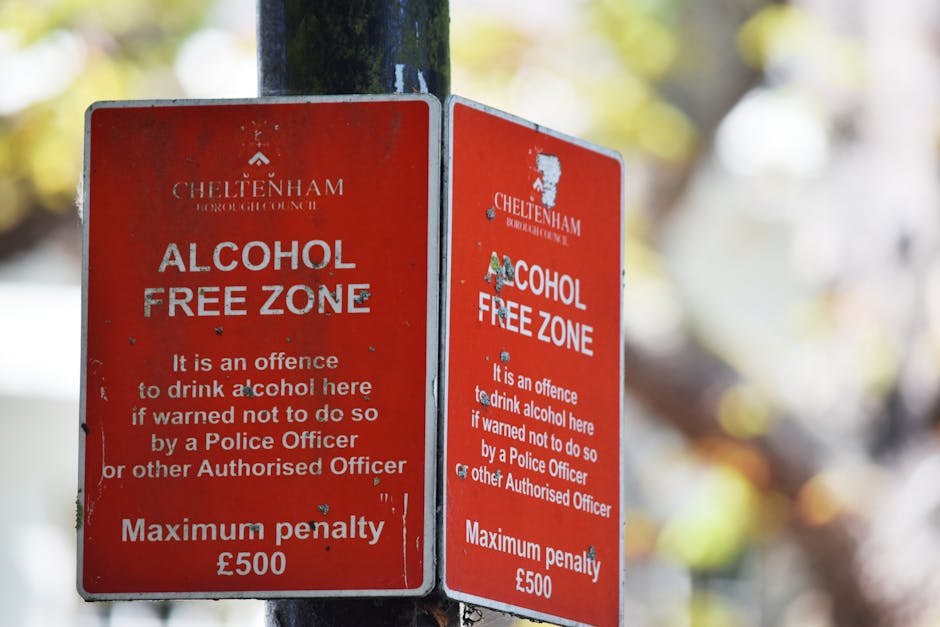
Parking and loading in London are governed by local restrictions, street signs, and general highway rules. In plain English, that means the sign on the street is the rule you must follow there and then. If a street is controlled, the wording and timing on the sign matter. If loading is permitted only at certain times, treat that carefully. If the vehicle is too large for the space, do not force it.
For removals, the practical best practice is simple: plan as if parking is limited, because in many parts of Harringay it usually is. Keep the crew briefed, keep the move active, and avoid leaving a vehicle in a position that creates obstruction or uncertainty. If a bay suspension, permission, or more formal arrangement is needed for a complex move, arrange it well in advance rather than on the morning itself.
There is also a wider duty of care. A good removals team should work in a way that is safe for customers, staff, pedestrians, and nearby property. That means not blocking access, not rushing unsafe lifts, and not assuming a quick stop is acceptable when the signs say otherwise. It sounds basic, but basics are what keep a move smooth.
For anyone comparing providers, a company's terms and conditions and about us page can offer useful clues about how seriously they take planning, communication, and customer care. If a team is transparent, that tends to show up in the moving day too.
Options, methods, or comparison table
Different moves need different parking approaches. Here is a simple comparison to help you think it through.
| Approach | Best for | Pros | Watch outs |
|---|---|---|---|
| Street-side loading close to the property | Smaller or medium moves with decent access | Fastest loading, less carrying, easier on furniture | Depends on space being available and permitted |
| Short walk from a legal parking spot | Busy streets or tighter bays | More flexible if the exact space is taken | Slower, more physical, more chance of delays |
| Timed loading with a compact van | Flat moves, student moves, light household loads | Agile, practical, often easier to position | May require careful packing to fit everything safely |
| Fully planned removals service with larger crew | House moves, offices, bulky items | Better coordination, quicker handling of heavy pieces | Needs better advance planning, especially for access |
In many cases, the right answer is not one method forever. It is the method that matches the property, the street, the load, and the time of day. A compact move from a first-floor flat near Green Lanes has different needs from a full office relocation or a family home packed with furniture.
Case study or real-world example
Here is a realistic example from a typical Harringay move. A couple were leaving a second-floor flat with no lift, moving a short distance away, and using a modest van rather than a full lorry. Their first instinct was to leave the parking side of things until the day itself. But the street outside the building had resident bays and a fairly narrow carriageway, so that would have been a gamble.
Instead, they checked the signs the evening before, cleared the hallway, and made sure their larger furniture was ready near the exit. On the morning, the removals vehicle stopped at the nearest sensible point, and the crew worked in a clean sequence: bedroom items first, then kitchen, then the awkward bits like shelving and a heavy chest. The whole job stayed calm because the access plan was clear.
Nothing magical happened. No secret trick. Just decent planning. The couple later said the most useful part was not the boxes, but the fact that they never had to stop halfway through and ask, "Where can the van go now?" That question, once avoided, saves a lot of mental energy.
For moves like this, practical support such as flat removals in Haringey or even a more tailored removals service in Haringey can make a genuine difference. The value is not just lifting; it is planning. The planning is what keeps the day from turning into a bit of a muddle.
Practical checklist
Use this checklist the day before your move, and again on the morning if needed.
- Confirm the parking restrictions on both streets.
- Take photos of signs and bay markings.
- Tell the removals team about any loading limitations.
- Make sure keys, fobs, and access codes are ready.
- Move boxes away from doorways and stairwells.
- Keep bulky items grouped close to the exit.
- Decide who will speak to building staff or neighbours if needed.
- Leave a buffer for traffic, access issues, or late arrivals.
- Check whether storage is needed for anything not going straight across.
- Have water, chargers, and a few essentials easy to reach.
If your move includes business equipment, furniture disassembly, or time-sensitive loading, it can also help to review office removals in Haringey or furniture removals before choosing the right setup. Small details really do add up.
Get a free quote today and see how much you can save.
Conclusion
Haringey council parking rules for Harringay removals are not just a technical detail. They shape the rhythm of the whole day. When parking is planned well, the van gets in place, the loading moves quickly, and the move feels manageable. When parking is left to chance, everything takes longer and the stress climbs fast.
The good news is that most parking-related problems are avoidable. Check the street signs, think through loading times, choose the right van size, and tell your removals team what they will face on arrival. If you do those things, you give yourself the best chance of a move that is calmer, safer, and far less chaotic than it could have been.
And really, that is what most people want on moving day: fewer surprises, fewer worries, and a clear path to the next front door. Nice and simple.